Kitchen Cabinets in Glendale, AZ are often one of the first things homeowners question when a kitchen starts feeling cramped, outdated, or impractical. The problem is that replacing everything can feel overwhelming, expensive, and disruptive to daily life. Many kitchens still have cabinets that function well, even if storage needs or layout demands have changed. That frustration grows when you realize you only need more space, not a full overhaul. The good news is that adding new cabinets to existing ones is often possible with careful planning. When done correctly, this approach can improve storage, maintain visual balance, and protect your investment while refreshing the kitchen in a practical, cost-effective way.
When Expanding Cabinetry Makes Sense for Your Kitchen
Not every kitchen requires a full replacement to feel functional again. In many homes, the existing cabinet structure is solid, but storage demands have increased due to lifestyle changes, growing families, or updated cooking habits. Adding cabinetry can solve these challenges without unnecessary waste.
This approach works especially well when:
- Cabinet boxes are structurally sound
- Doors and drawer fronts are still available or replicable
- The kitchen layout allows for expansion without disrupting workflow
Kitchens designed with blank wall space, unused corners, or limited upper storage often benefit the most. Instead of tearing everything out, strategic additions can rebalance storage and improve day-to-day efficiency.
Evaluating Your Existing Kitchen Cabinets Before Adding More
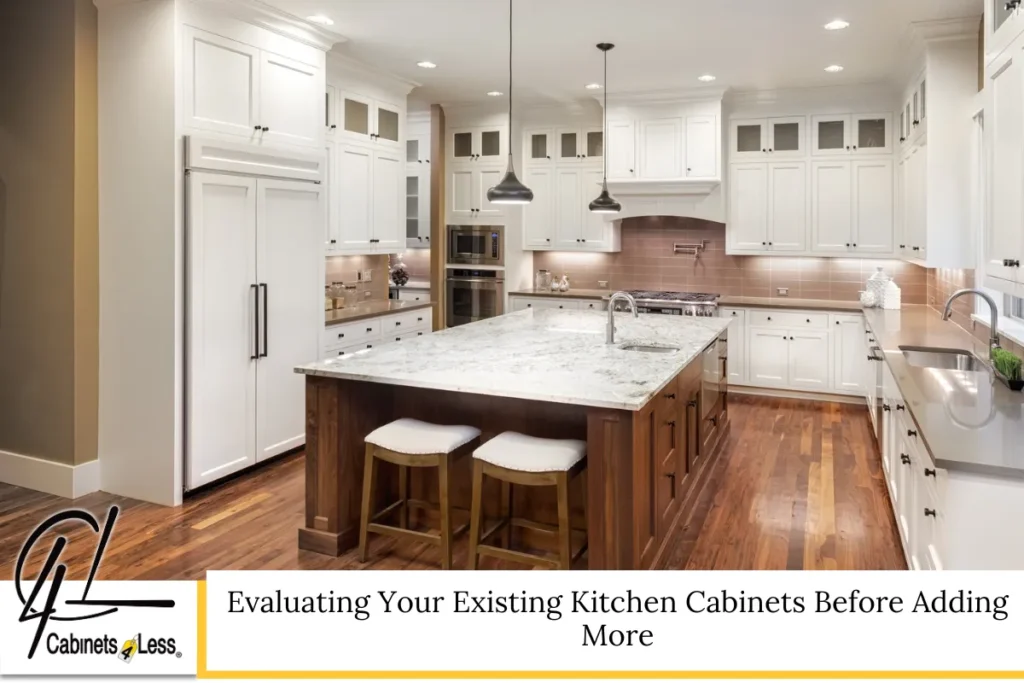
Before planning any additions, it is critical to assess the current kitchen cabinet setup. Not all cabinets are good candidates for expansion, even if they look acceptable on the surface.
Structural Integrity Comes First
Cabinet boxes should be square, stable, and free from water damage. Sagging shelves, warped panels, or loose joints can signal deeper issues that may complicate integration with new kitchen cabinetry.
Style and Construction Compatibility
Cabinet construction methods matter. Framed cabinets behave differently than frameless designs. Materials like solid wood, plywood, or particleboard influence how new units can be attached and aligned.
Door Style and Finish
Matching door profiles, panel styles, and finishes is one of the biggest challenges. Even small differences in edge detail or sheen can stand out once new cabinets are installed.
A careful evaluation upfront helps prevent visual mismatches and structural issues later.
Common Reasons Homeowners Add Cabinets Instead of Replacing Them
Adding cabinets is often driven by practical needs rather than aesthetics alone. Understanding the motivation helps guide smarter design decisions.
- Storage shortages caused by limited original cabinetry
- Kitchen expansions that create new wall space
- Adding pantry cabinets for better organization
- Creating dedicated zones for appliances or prep areas
In many kitchens, original designs were created decades ago when storage expectations were different. Modern cooking habits require more room for small appliances, cookware, and pantry items, making cabinet additions a logical solution.
Can New Cabinets Match Older Kitchen Cabinet Styles?
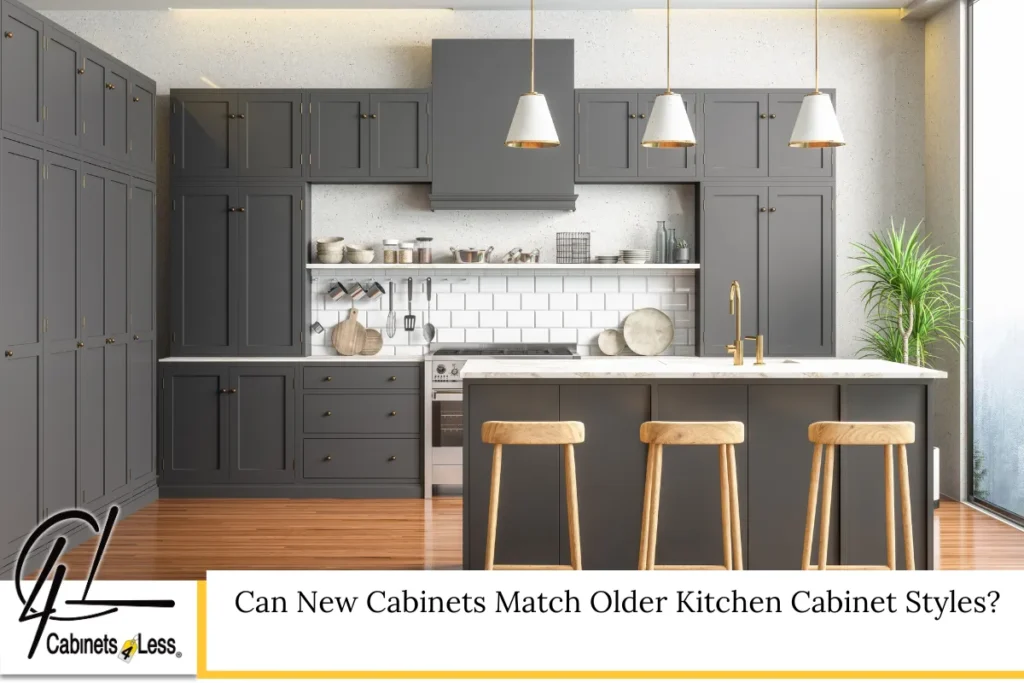
Matching new cabinets to existing ones is possible, but it requires precision. Cabinet manufacturers and cabinet stores can often replicate door styles, but exact matches depend on several factors.
Door Profiles and Panel Details
Raised panels, recessed panels, slab fronts, and decorative routing must align closely. Even subtle variations become noticeable once installed side by side.
Wood Species and Grain Patterns
Different wood types absorb stain differently. Maple, oak, and cherry each have unique grain structures that affect color and texture.
Aging and Patina
Existing cabinets may have darkened or faded over time. New kitchen cabinetry may require custom finishing or color adjustments to blend naturally.
This is where careful sourcing and professional guidance from a cabinet showroom becomes invaluable.
Color Matching Challenges and How They Are Solved
Color consistency is one of the most difficult aspects of adding new cabinets. Even if the original color is known, years of exposure to light, heat, and cleaning products can change the finish.
Common solutions include:
- Custom stain matching based on existing doors
- Adjusting sheen levels to reduce contrast
- Replacing select door fronts for visual consistency
In some kitchens, homeowners choose to refinish all cabinet doors so old and new cabinetry share the same finish, creating a seamless appearance.
How Layout Changes Affect Cabinet Additions
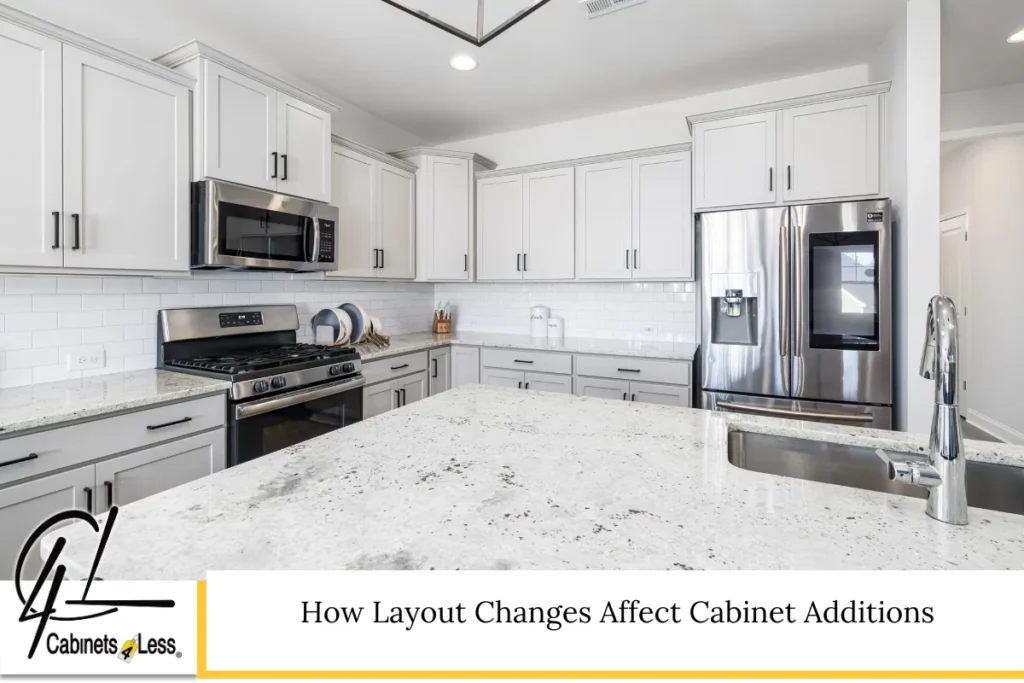
Adding cabinets is not just about appearance. The kitchen layout must still function efficiently after expansion.
Workflow and Clearance
New cabinets should not interfere with appliance doors, walkways, or prep areas. Clearances around ranges, refrigerators, and sinks must remain functional.
Upper vs Lower Cabinet Balance
Adding only upper cabinets can make kitchens feel top-heavy. Balancing storage vertically helps maintain visual harmony and usability.
Corner and Specialty Cabinets
Corners often present opportunities for expansion through lazy Susans, pull-out systems, or angled cabinetry that maximizes space without clutter.
A thoughtful layout ensures the kitchen remains comfortable and efficient after additions.
Upper Cabinet Additions: What to Know Before Building Up
Adding upper cabinets is one of the most common upgrades. This approach works well in kitchens with high ceilings or unused wall space.
However, several considerations matter:
- Ceiling height and soffits
- Ventilation and hood clearance
- Visual proportion between cabinets and counters
In some kitchens, extending cabinets to the ceiling adds storage while creating a custom, built-in look that feels intentional rather than pieced together.
Lower Cabinet Extensions and Base Cabinet Considerations
Lower cabinets support countertops and appliances, making additions more complex. Flooring transitions, plumbing, and electrical lines must be evaluated before expanding base cabinetry.
Important factors include:
- Countertop material compatibility
- Toe kick alignment
- Appliance spacing and access
When done correctly, added base cabinets can improve prep space, storage capacity, and kitchen flow without disrupting existing systems.
Read How Do I Know if My Kitchen Cabinets in Glendale, AZ Need Replacing or Refacing?
Kitchen Cabinet Hardware Consistency Matters More Than You Think
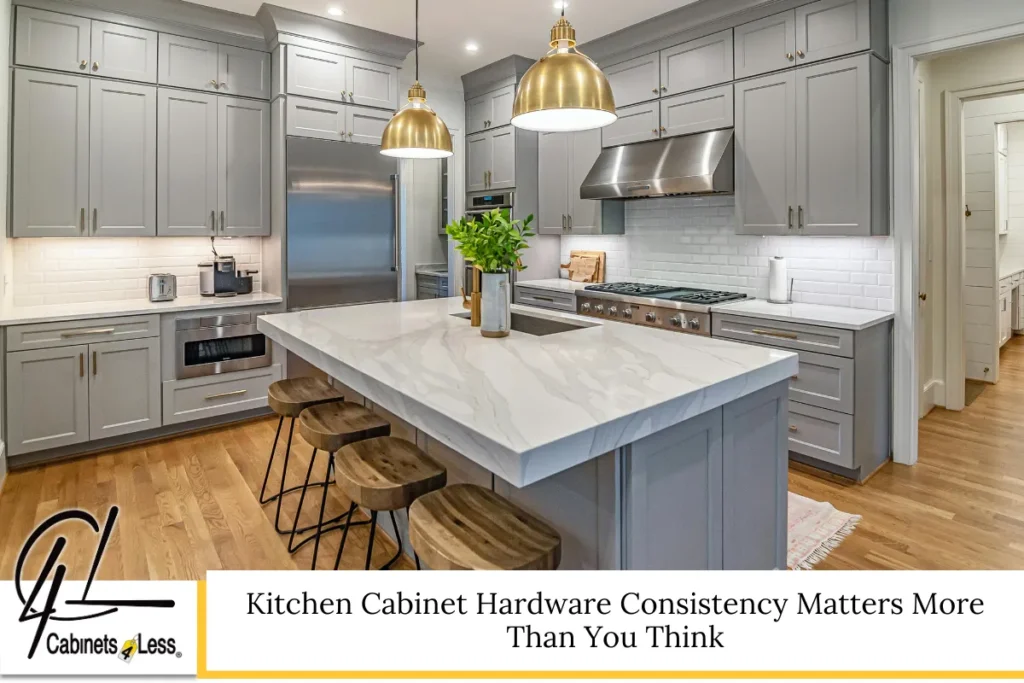
Hardware often gets overlooked, but mismatched knobs and pulls can undermine an otherwise cohesive design.
Matching hardware involves:
- Consistent hole spacing
- Similar finishes and shapes
- Proper scale relative to cabinet doors
If original hardware is discontinued, selecting a complementary style and updating all cabinets can unify the kitchen visually.
Material Choices for New Kitchen Cabinetry
Material selection plays a major role in how well new cabinets integrate with old ones.
Popular options include:
- Solid wood for traditional kitchens
- Plywood construction for durability
- MDF for painted finishes
Each material behaves differently under humidity and temperature changes, which can impact long-term performance in kitchens.
Custom vs Semi-Custom Cabinet Options for Add-Ons
Cabinet additions often require flexibility that stock cabinets cannot provide. Custom and semi-custom solutions allow adjustments in size, finish, and configuration.
Custom cabinetry offers:
- Precise sizing for awkward spaces
- Greater finish control
- Better long-term durability
Semi-custom cabinets provide a balance of affordability and adaptability, making them a popular choice for many kitchen expansions.
How Cabinet Showrooms Help With Matching and Planning
A cabinet showroom provides hands-on comparison opportunities that online images cannot. Seeing finishes, door styles, and materials in person reduces uncertainty.
Showrooms also help with:
- Visualizing layout changes
- Comparing construction quality
- Coordinating accessories and storage features
Working with experienced cabinetry professionals ensures new cabinets complement existing ones rather than competing with them.
Budget Expectations When Adding Cabinets
While adding cabinets is generally less expensive than a full replacement, costs vary widely based on design complexity and material choices.
Budget considerations include:
- Cabinet construction and finish
- Hardware and accessories
- Modifications to countertops or walls
Planning for contingencies helps avoid surprises during the process.
Timeline Expectations for Cabinet Additions
Unlike full remodels, cabinet additions can often be completed with minimal disruption. However, lead times depend on customization levels.
Typical timelines involve:
- Design and planning phase
- Cabinet production
- Coordination with contractors
Allowing adequate time ensures quality results without rushed decisions.
Avoiding Common Mistakes When Mixing Old and New Cabinets
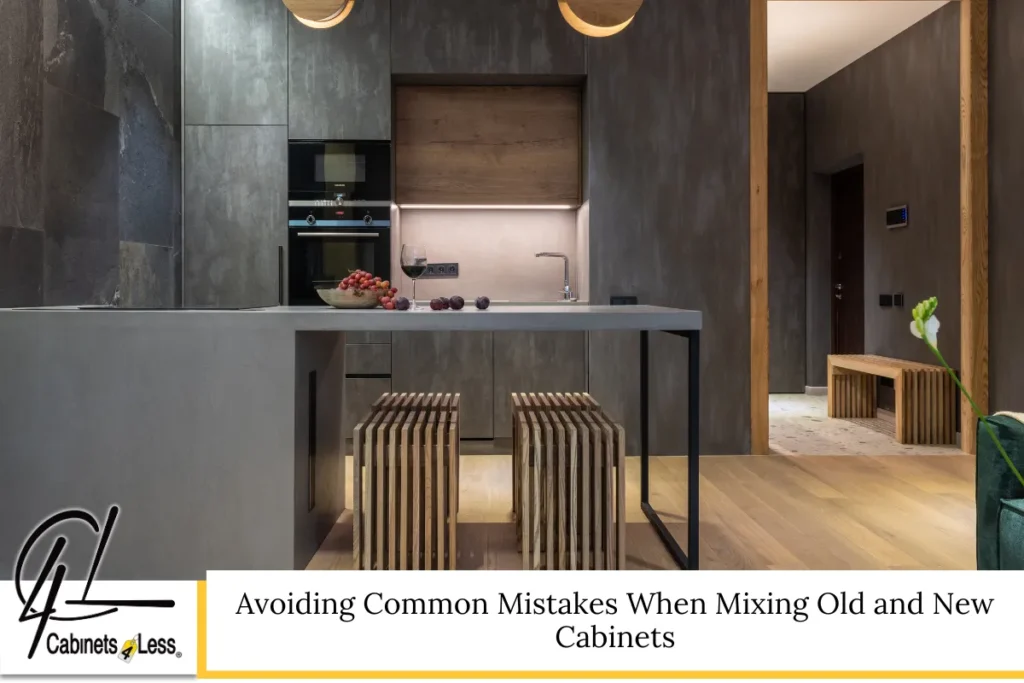
Several missteps can compromise the final outcome.
Common pitfalls include:
- Ignoring structural issues in existing cabinets
- Poor color matching
- Overcrowding the kitchen with storage
Avoiding these mistakes starts with realistic expectations and professional guidance.
Long-Term Value of Adding Kitchen Cabinets
Strategic cabinet additions can increase functionality and resale appeal. Buyers often value kitchens that offer ample storage without appearing cluttered or mismatched.
Well-integrated cabinetry enhances:
- Daily usability
- Visual cohesion
- Overall kitchen value
When done thoughtfully, additions feel original to the space rather than afterthoughts.
Is Adding Cabinets the Right Choice for Your Kitchen?
The decision depends on cabinet condition, layout flexibility, and long-term goals. Kitchens with solid foundations and room to grow are ideal candidates for expansion.
Careful planning, realistic expectations, and quality materials determine whether new kitchen cabinets blend seamlessly with existing ones or stand out for the wrong reasons.
Kitchen Cabinets in Glendale, AZ – C4L Cabinetry
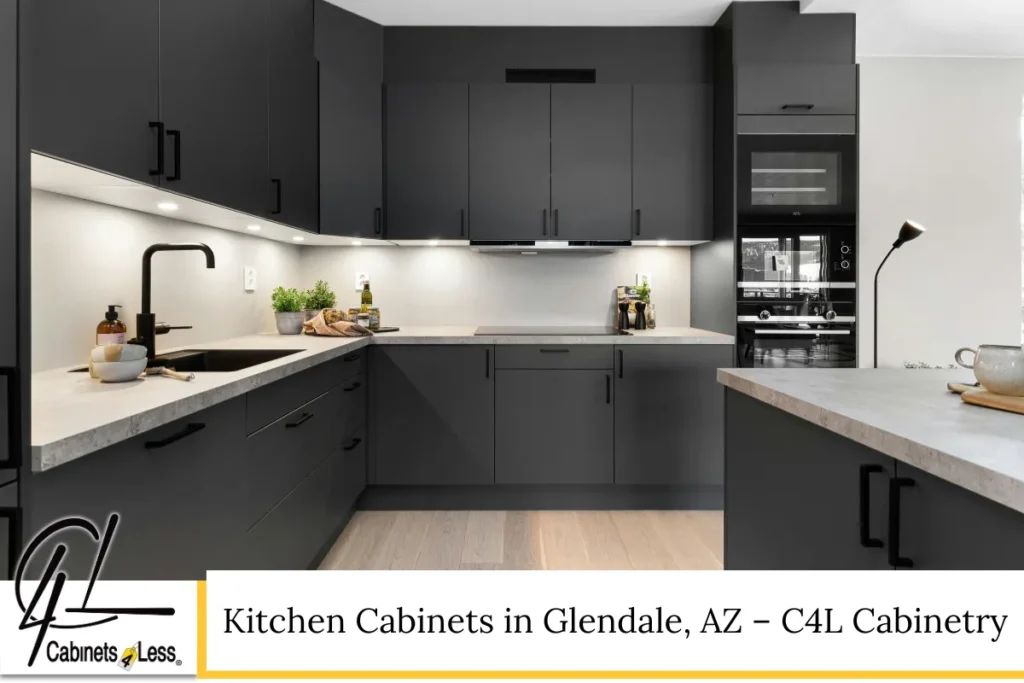
We help homeowners make confident decisions about kitchen cabinets by focusing on smart design, quality materials, and long-term value. At C4L Cabinetry, we specialize in sourcing kitchen cabinets that integrate seamlessly with existing kitchens while improving storage and functionality. Our cabinet store experience allows us to guide you through styles, finishes, and layouts that make sense for your space. While we do not handle cabinet installation, we proudly refer clients to reputable contractors who understand proper cabinet placement and care. Visit us, call us at (623) 335-3558, or complete our contact form to explore kitchen cabinetry options tailored for homes in Glendale, Arizona.
Frequently Asked Questions
Can I add cabinets if my current kitchen cabinets are very old?
Yes, but it depends on their structural condition. Older cabinets can still support additions if the boxes are solid, square, and free from moisture damage. However, very old styles may be harder to match in door profile and finish. In those cases, homeowners sometimes replace door fronts or refinish existing cabinetry to create visual consistency. A professional assessment helps determine whether preservation or partial replacement is the better option.
Will adding cabinets affect my existing countertops?
It can. Lower cabinet additions often require countertop extensions or modifications, especially if they are placed in new areas. Matching countertop materials can be challenging if the original product is discontinued. Some homeowners choose to add cabinets without counters, such as tall pantry units, to avoid this issue. Planning cabinet placement carefully minimizes countertop disruption.
Is it better to refinish existing cabinets when adding new ones?
Refinishing can be beneficial when color matching becomes difficult. Refinishing both old and new cabinets creates a unified appearance and eliminates visible differences caused by aging finishes. However, refinishing adds cost and time, so it is best used when matching finishes is otherwise impractical or when homeowners want a refreshed look overall.
Can cabinet additions improve kitchen organization without changing layout?
Yes. Adding cabinets such as pantry units, wall cabinets, or specialty storage can significantly improve organization without altering the core kitchen layout. These additions work well in kitchens with unused wall space or high ceilings. Storage upgrades often deliver noticeable improvements in daily usability without major remodeling.
How do I know if adding cabinets will hurt resale value?
When done correctly, cabinet additions typically enhance resale value. Poorly matched or overcrowded cabinetry can have the opposite effect. The key is balance, quality materials, and cohesive design. Buyers appreciate kitchens that feel intentional and functional, so thoughtful additions often support long-term value rather than diminish it.
Disclaimer: This article is for informational purposes only and does not constitute professional construction or design advice. Always consult qualified professionals to evaluate your specific kitchen conditions and project requirements before making decisions.
Read How Can I Reduce the Cost of My Glendale Kitchen Cabinets Remodel?