Are you tired of kitchen or bathroom cabinets that warp, peel, or simply fall apart after a few years? It’s incredibly frustrating to spend money on something that doesn’t last, especially when you’re aiming for a beautiful and functional home. The constant worry about moisture damage, scratches, and wear and tear can really take the joy out of your space.
Well, I’ve got some good news! The longest-lasting cabinets often combine quality materials like plywood or solid wood with a durable finish to resist daily wear and tear. For those seeking the most resilient option, stainless steel cabinets offer unparalleled water resistance and a modern aesthetic.
Keep reading, because I’m about to break down exactly what materials, construction methods, and maintenance tips will ensure your cabinets stand the test of time, giving you peace of mind and a beautiful home for years to come.
What Makes a Cabinet Last?
There are a few key things that determine how long your cabinets will last:
- Material: What the cabinets are made of.
- Construction: How the cabinets are put together.
- Finish: The protective layer on the cabinets.
- Maintenance: How well you take care of them.
- Environment: Whether they’re exposed to lots of water or changes in temperature.
Cabinet Material Choices: What’s Good and Not So Good?
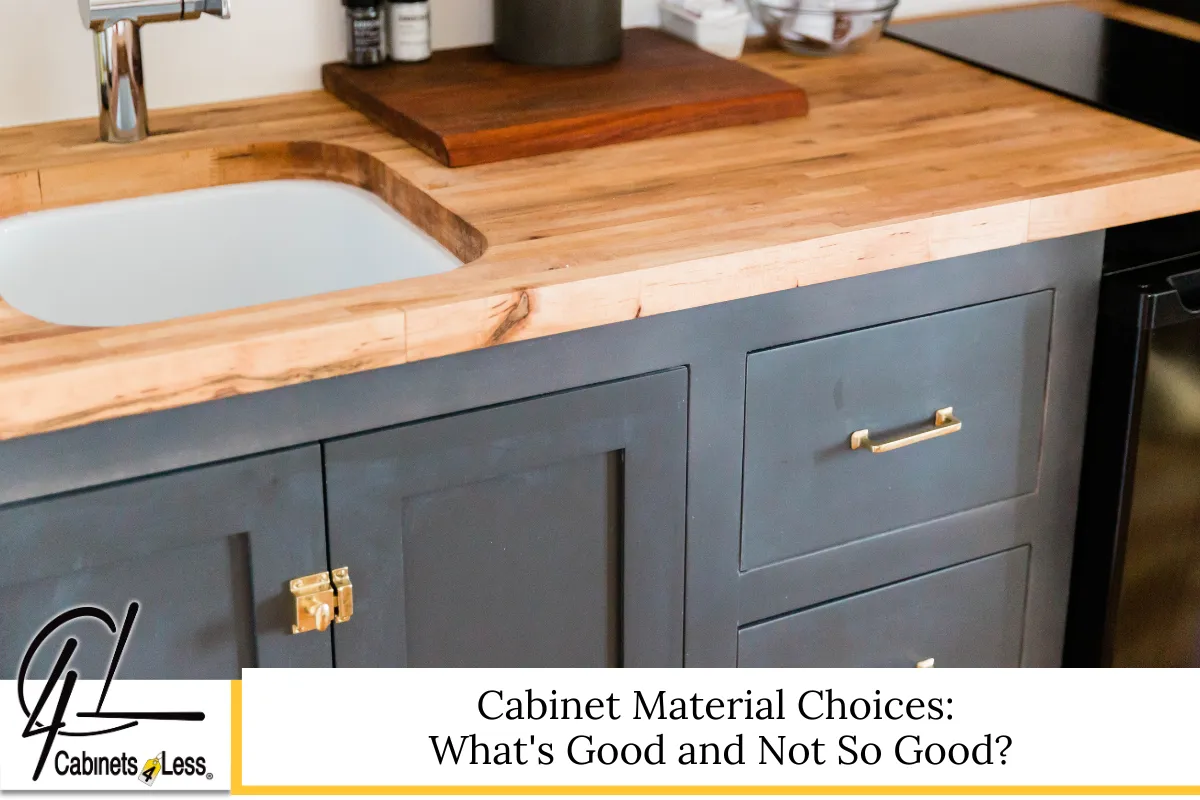
Let’s look at some common materials for cabinets and see how they stack up in terms of durability.
Solid Wood Cabinets
- What they are: These cabinets are made from natural wood, like maple, oak, birch, walnut, cherry, or tulipwood.
- How strong they are: Solid wood is known for being strong and lasting a long time. To get an idea of how woods compare, there’s something called the Janka Hardness Scale. It measures how hard a wood is.
- Good points: They look great and can be customized. You can also refinish them if they get worn.
- Not-so-good points: They can be pricey, and they react to changes in humidity, which can cause them to warp or crack.
- Taking care of them: You need to use waterproof finishes and clean them gently.
Plywood Cabinets
- What they are: These are made of layers of wood glued together.
- How strong they are: They resist cracking, shrinking, and warping.
- Good points: They’re strong and don’t cost as much as solid wood.
- Not-so-good points: They might not look as fancy as solid wood.
- How they’re made: The layers are glued in different directions to make them extra stable.
MDF (Medium-Density Fibreboard) Cabinets
- What they are: These are engineered wood made from wood fibres, wax, and resin.
- How strong they are: They’re stable and less likely to warp than natural wood.
- Good points: They have a smooth surface that’s great for painting, and they’re affordable.
- Not-so-good points: They can be damaged by water.
- Best for: Painted cabinets because of their smooth surface.
Melamine Cabinets
- What they are: These have a base of particleboard or plywood covered with a decorative paper that’s infused with resin.
- How strong they are: They resist moisture, heat, and stains.
- Good points: They’re affordable, come in lots of colours and patterns, and are easy to clean.
- Not-so-good points: You can’t choose fancy shapes, and they can get scratched or dented.
High-Pressure Laminate (HPL) Cabinets
- What they are: These have a durable laminate that’s applied with high pressure.
- How strong they are: They resist scratches, stains, and heat.
- Good points: They’re easy to clean and versatile.
- Stainless Steel Cabinets
- What they are: These metal cabinets are popular in modern kitchens and bathrooms.
- How strong they are: They can handle high heat and don’t have pores.
- Good points: They’re easy to clean, last a long time, and are hygienic.
- Not-so-good points: The style might not be for everyone, and fingerprints show up easily. They can also be expensive.
PVC (Polyvinyl Chloride) Cabinets
- What they are: These cabinets are made from plastic.
- How strong they are: They resist impact and corrosion.
- Good points: They’re great for bathrooms where there’s lots of humidity.
- Not-so-good points: They might not look as nice as other options, and there are environmental concerns.
How Cabinets Are Built Matters

How your cabinets are put together is super important for how long they last.
Framed vs. Frameless Cabinets
- Framed: The doors are attached to a solid wood frame, which makes them very stable.
- Frameless: These are also called European-style cabinets. They don’t have a frame, but they can still be strong if they have a core made of good-quality material.
Joining Things Together
- The way the parts of the cabinet are joined makes a big difference. Mortise-and-tenon, dovetail, and pocket hole joints are all strong.
- Dovetail drawers are a classic and durable choice.
Other Important Things
- Make sure the cabinet walls are thick (at least 0.7 inches or 18mm).
- The cabinets should be attached securely to the walls.
Finishes: Protecting Your Cabinets
The finish on your cabinets is like a shield. It protects them from damage and helps them look good for longer.
Painted Cabinets
- Paint can get chipped or scratched.
- It’s best to use materials like birch or maple underneath the paint.
- The paint should be applied in a special way, usually in a factory, to make it extra durable.
Laminate and Thermofoil Finishes
- These are tough against scratches, stains, and water.
- But be careful with thermofoil, as it can get damaged by high heat.
Varnish
- This is a protective layer, especially for wood.
- Catalyzed conversion varnish is super tough against chemicals, water, and temperature changes.
Taking Care of Your Cabinets
Taking good care of your cabinets is key to making them last.
Cleaning
- Wipe them regularly with a soft, damp cloth.
- Don’t use abrasive cleaners or harsh chemicals.
Controlling Moisture
- Clean up spills quickly.
- Make sure your kitchen and bathroom are well-ventilated.
Protecting the Surface
- Use special oils or waxes for wood.
- Fix any chips or scratches right away.
Hardware
- Tighten loose handles and hinges.
- Clean and oil drawer slides and hinges.
What Cabinets to Use Where?

The best cabinets for you might depend on where you’re putting them.
Kitchens
- For busy kitchens, use solid woods like oak and hickory.
- If you’re on a budget, go with plywood or MDF with durable finishes.
Bathrooms
- In bathrooms, where there’s lots of moisture, use marine-grade plywood, PVC, or stainless steel.
- If you want a certain look, solid wood with proper sealing or metal cabinets can work well.
Are Durable Cabinets Worth the Extra Money?
Spending more on durable cabinets might seem like a lot upfront, but it can save you money in the long run. You won’t have to repair or replace them as often. It’s all about balancing what you pay at first with how long you expect the cabinets to last.
Building Your Own Cabinets
If you’re feeling handy, you can even build your own cabinets! This way, you get to choose the best materials and make sure they’re put together properly.
Getting the Most for Your Money
When it comes to choosing cabinets that last, it’s all about finding the right mix of material, how they’re built, the finish, and how well you take care of them. Whether you’re working with a cabinet store, cabinet shop, or deciding to DIY, remember that prioritising durability means you’ll be happier with your cabinets for years to come!
Glendale Cabinet Store – Cabinets 4 Less
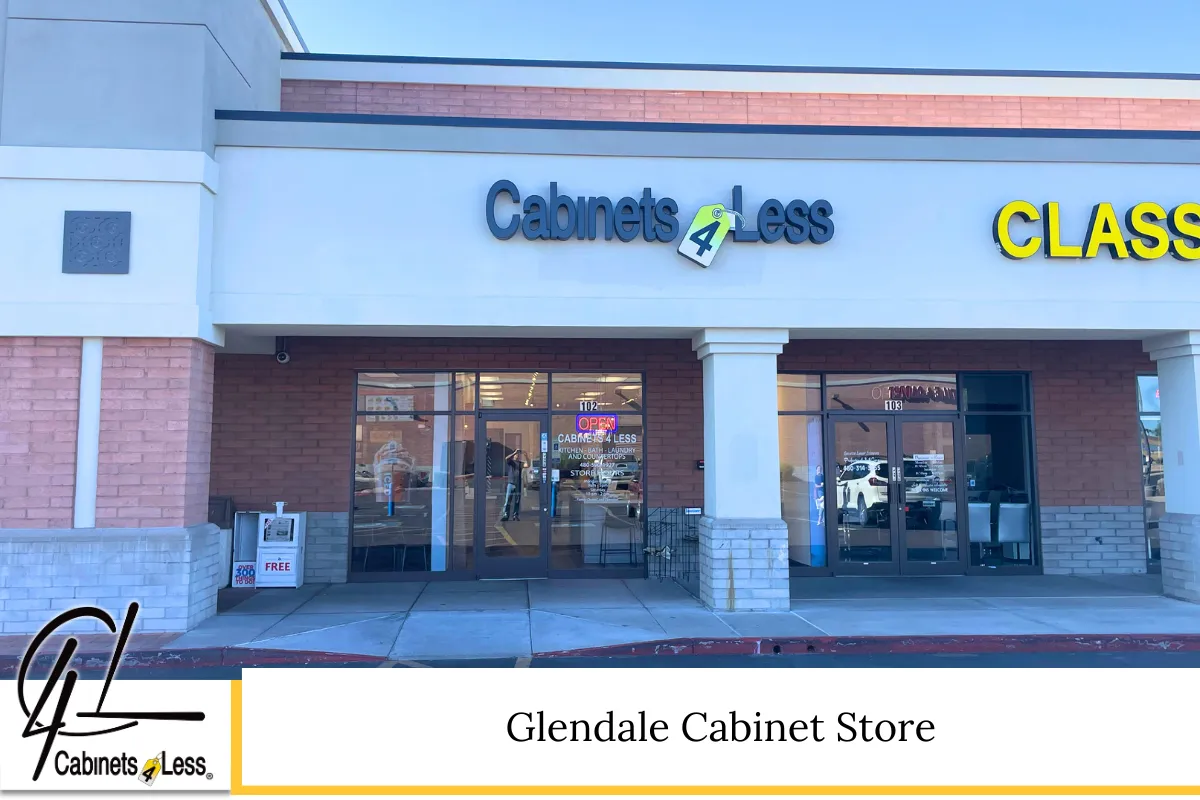
Looking for durable, stylish kitchen cabinets that won’t break the bank? At Cabinets 4 Less Glendale, we understand that your cabinets are an investment, and we’re committed to providing options that last.
Worried about moisture, scratches, or daily wear and tear? We offer a wide range of materials, including solid wood, plywood, and laminate cabinets, all built to withstand the demands of a busy home. Whether you prefer the timeless appeal of oak or the modern sleekness of high-pressure laminate (HPL), we have the perfect fit for your style and budget.
Don’t settle for less when it comes to quality. Visit our cabinet store today and let our expert team help you choose kitchen cabinets that combine longevity with stunning design. Call us at (623) 335-3558 or visit our showroom to explore the possibilities. Let Cabinets 4 Less Glendale make your dream kitchen a reality!
Frequently Asked Questions about Which Types of Cabinets Last the Longest:
What kind of wood is most recommended by cabinet shops for high-use kitchen cabinets?
For kitchen cabinets that see a lot of action, oak and hickory are often recommended. These solid woods can take a beating, resisting dents and moisture better than other options.
Are some cabinet brands known for their durable construction?
Yes, several brands have reputations for producing durable cabinets. For example, Puustelli cabinets come with a 30-year warranty and are known for their sustainable bio-composite material. Homecrest is known for dependability and uses durable wood species like hickory.
What role does the humidity of the environment play in choosing the right type of cabinet?
The level of humidity significantly impacts the choice of cabinet materials. In high-humidity environments like bathrooms, materials such as marine-grade plywood, PVC, or stainless steel are preferable due to their resistance to moisture.
How does the colour of the cabinet affect its longevity?
While not directly affecting the cabinet’s physical durability, the colour can influence how wear and tear are perceived. Lighter colours tend to hide marks and scratches better than darker ones, making them appear more durable over time.
What is a cost-effective alternative to solid wood that still offers good durability?
Plywood is a cost-effective option that provides substantial strength and resistance to warping, making it a practical alternative to solid wood.
How do modern laminates compare to older versions in terms of durability?
Newer thermally textured surfaces are more durable than older laminates. Materials like PET and TSS laminate offer greater resistance to scratches and come in a wider range of colours.
What are the most important things to look for when assessing the durability of kitchen cabinets before buying?
When assessing kitchen cabinet durability, prioritise these factors:
- Material: Opt for solid wood, plywood, or high-pressure laminate (HPL) for resistance to wear, moisture, and scratches.
- Construction: Check for features like full-extension, soft-close drawers and doors, as well as sturdy hardware, which contribute to long-lasting performance.
- Warranty: A comprehensive warranty from reputable brands indicates the expected lifespan and quality of the cabinets.
Are there specific design elements or construction methods that enhance cabinet durability?
Yes, in-frame construction, where doors are attached to a solid timber frame rather than directly to the cabinet material, offers greater stability. Additionally, using dovetail joints in drawer construction is a traditional method known for its durability.
By considering these FAQs, you’ll be better informed to choose the most durable cabinets for your specific needs and circumstances.
Read more: When’s the Best Time to Buy Cabinets in Glendale? Seasonal Deals and Smart Shopping Tips