A Smart Homeowner’s Dilemma Starts in the Kitchen
Kitchen Cabinets in Glendale, AZ often take more daily wear than any other part of the home. Doors are opened dozens of times a day, drawers hold heavy cookware, and surfaces face heat, moisture, and spills. Over time, even well-made kitchen cabinetry can begin to show its age. The problem many homeowners face is not noticing damage—it’s knowing what to do about it. Should you replace everything or refinish what you have? That uncertainty can lead to costly mistakes, wasted time, or a kitchen that still doesn’t feel right. The good news is that clear signs can guide your decision. By understanding cabinet condition, structure, and design limitations, you can confidently choose the option that brings the best long-term value.
Why Kitchen Cabinets Deserve a Closer Look Before Remodeling
Cabinets define how a kitchen functions and how it feels. They impact storage, workflow, and visual balance far more than most homeowners realize. While countertops and appliances often steal the spotlight, the cabinet system is the backbone of the room.
Before rushing into a full remodel, it’s worth evaluating whether the cabinet boxes, doors, and layout still serve your needs. Many kitchens look dated not because the cabinetry has failed, but because finishes, hardware, or door styles no longer match current design preferences.
In other cases, the cabinets may be telling you something deeper—structural fatigue, water damage, or outdated construction that limits modern storage solutions. Understanding this difference is the first step toward a smart decision.
The Structural Health Check That Matters Most

Cabinet Boxes: The Hidden Foundation
The cabinet box, sometimes called the cabinet carcass, is the most important element to inspect. If this core structure is solid, refacing is often possible. If it’s compromised, replacement becomes the safer option.
Signs of strong cabinet boxes include:
- Firm panels with no flex when pressed
- Secure attachment to the wall
- Square alignment with doors closing evenly
Warning signs that point toward replacement include:
- Swollen or crumbling particleboard
- Soft areas caused by moisture exposure
- Cabinets pulling away from the wall
- Persistent musty odors inside storage areas
In Glendale homes, cabinets near sinks, dishwashers, and refrigerators are especially vulnerable due to plumbing and condensation. Even minor leaks over time can weaken internal materials beyond repair.
When Appearance Issues Are Only Skin Deep
Cosmetic Wear That Refacing Can Solve
Not all cabinet problems are structural. In many kitchens, the issues are visual rather than functional. This is where refacing often makes sense.
Common cosmetic concerns include:
- Faded or yellowed finishes
- Scratches and dings on doors
- Outdated wood tones or laminate styles
- Old hardware that no longer fits modern kitchens
Refacing replaces doors, drawer fronts, and visible surfaces while keeping the cabinet boxes intact. For homeowners who like their layout and storage capacity, this approach can dramatically update the space without the disruption of a full replacement.
If your kitchen feels tired but still works well day to day, refacing can deliver a fresh look that aligns with current design trends seen in modern cabinet showrooms.
Layout Limitations That Signal Replacement Is Wiser
When the Kitchen No Longer Works for You
Even perfectly solid kitchen cabinets may need replacing if the layout itself is outdated. Older kitchens often reflect past cooking habits that don’t match how families use kitchens today.
Signs your layout is holding you back include:
- Limited drawer space for cookware
- Upper cabinets that are too high or too shallow
- Awkward corner storage with wasted space
- No room for modern appliances
Refacing does not change cabinet dimensions or placement. If your kitchen workflow feels cramped or inefficient, replacement allows you to redesign the space entirely. This is especially important for homeowners planning to stay long-term or those preparing for resale in competitive markets.
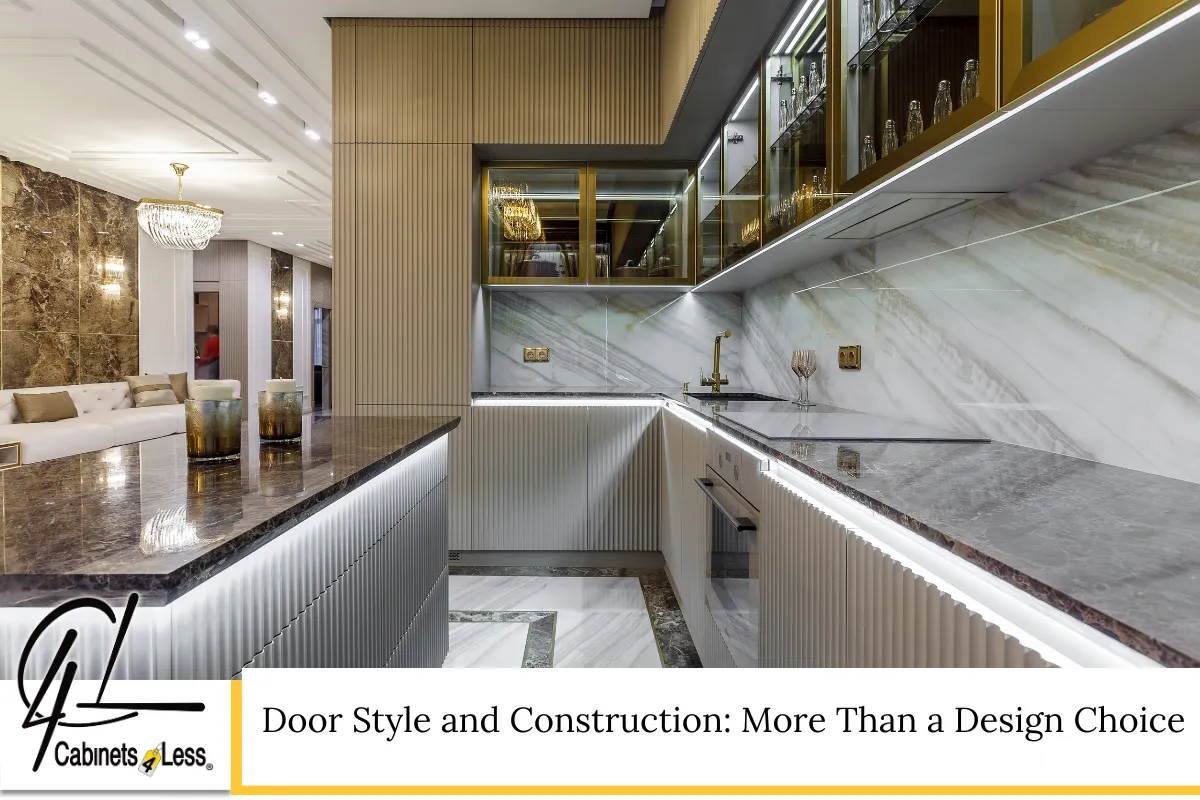
Door Style and Construction: More Than a Design Choice
Why Old Doors Can Reveal Bigger Problems
Cabinet doors tell a story about how the cabinetry was built. Slab doors, raised panels, and inset designs each age differently depending on materials and craftsmanship.
If doors are:
- Warped and won’t sit flush
- Cracking along joints
- Separating at the corners
These issues may suggest poor original construction or long-term exposure to heat and humidity. While refacing replaces doors, underlying issues with hinges or face frames may still exist.
If hinge screws no longer hold or face frames are splitting, replacement provides a clean slate that ensures long-term durability.
Read Can I Add New Kitchen Cabinets in Glendale, AZ to Existing Ones?
Drawer Performance as a Decision-Making Clue
What Your Drawers Are Telling You
Drawers often fail before cabinet doors because they carry more weight and experience constant movement. Pay attention to how they function.
Replacement may be the better option if:
- Drawers sag even when empty
- Bottom panels are cracked or missing
- Slides are outdated and cannot support modern soft-close systems
Refacing can upgrade drawer fronts, but if the drawer boxes themselves are failing, replacement allows for stronger construction and better hardware compatibility.
Moisture, Heat, and Environmental Factors in Arizona Homes

How Climate Plays a Role in Cabinet Longevity
While Arizona is known for its dry climate, kitchens still experience moisture from cooking, cleaning, and plumbing. Over time, repeated exposure can cause materials to expand and contract, especially in older kitchen cabinetry made with lower-quality composites.
Heat from ovens and direct sunlight can also affect finishes and adhesives. If you notice peeling surfaces near appliances or discoloration along cabinet edges, it’s worth evaluating whether refacing adhesives will hold long-term or if replacement materials are better suited to the environment.
Budget Considerations Without Cutting Corners
Understanding Cost Differences Realistically
One of the biggest drivers behind the refacing versus replacement decision is cost. Refacing typically costs less upfront because it uses existing cabinet boxes. Replacement involves demolition, new cabinetry, and often additional trades.
However, cheaper isn’t always better. Refacing cabinets with hidden structural problems can lead to future repairs that exceed the cost of doing it right the first time.
A realistic budget assessment includes:
- Current cabinet condition
- Expected lifespan after refacing
- Long-term home plans
- Potential impact on resale value
Visiting a cabinet store or cabinet showroom can help you compare material options and understand price ranges without committing immediately.
Design Flexibility and Long-Term Satisfaction
Thinking Beyond the Next Five Years
Design trends change, but good cabinetry should last decades. Replacement allows for full customization, from storage solutions to cabinet depth and height. Refacing works best when you’re satisfied with what you already have and simply want it to look better.
Ask yourself:
- Will this kitchen still meet my needs in 10 years?
- Am I planning other renovations that may affect layout?
- Do I want modern storage features that current cabinets can’t support?
Honest answers to these questions often make the choice clearer.
How Professionals Evaluate Cabinets Differently Than Homeowners
Why Expert Assessment Matters
What looks fine to an untrained eye may reveal issues to a professional. Cabinet specialists check alignment, material quality, fastening methods, and compatibility with modern doors and hardware.
An experienced evaluation prevents costly mistakes and helps homeowners avoid investing in refacing when replacement is the smarter move—or overspending on replacement when refacing would suffice.
Making the Final Call With Confidence
Deciding whether to replace or reface kitchen cabinets is not about trends or quick fixes. It’s about understanding how your kitchen functions, how your cabinets are built, and how long you expect them to last.
Solid cabinet boxes, functional layouts, and cosmetic wear often point toward refacing. Structural damage, outdated layouts, and failing components usually justify replacement. The right choice balances appearance, performance, and long-term value.
Kitchen Cabinets in Glendale, AZ – C4L Cabinetry
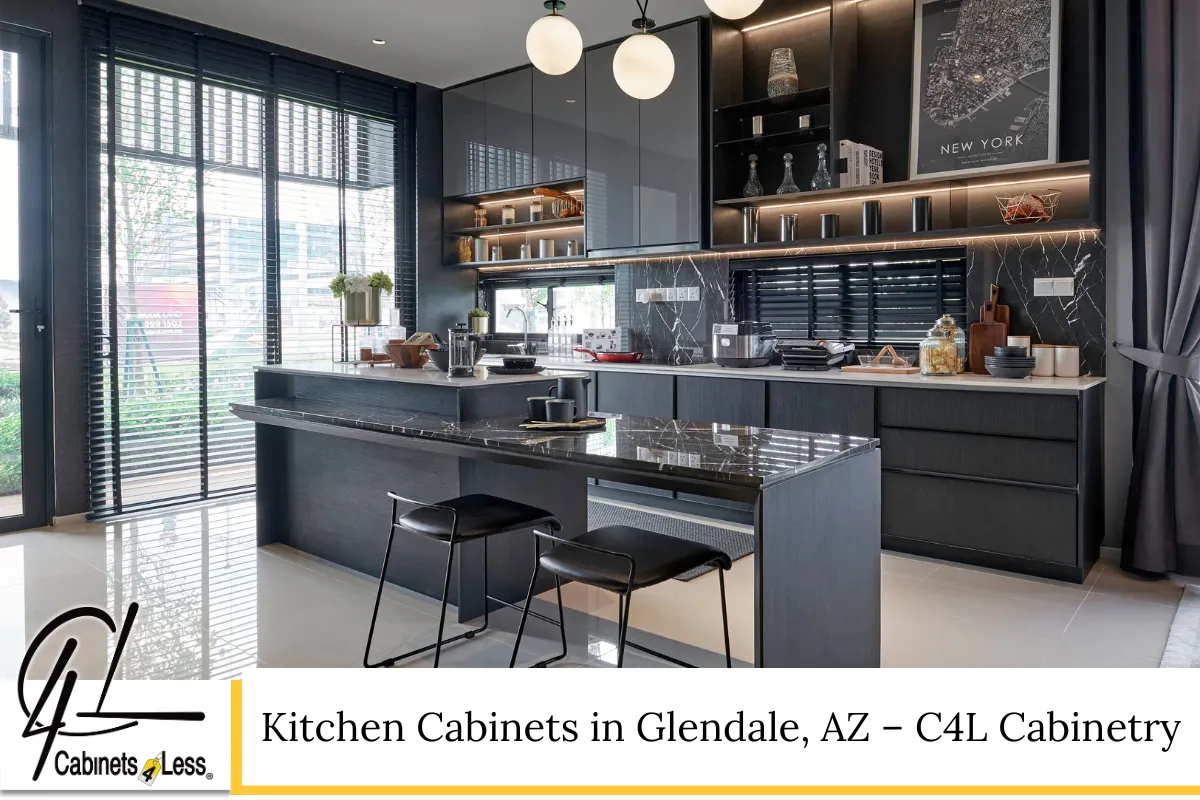
At C4L Cabinetry, we help homeowners make confident decisions about kitchen cabinets without pressure or guesswork. Our cabinet showroom in Glendale, Arizona allows you to explore door styles, finishes, and modern kitchen cabinetry options firsthand. We focus on quality materials and honest guidance so you can choose what truly fits your kitchen and your goals. While we do not handle cabinet installation, we proudly refer clients to reputable contractors we trust. If you’re considering updating kitchen cabinets or exploring refacing versus replacement, call us at (623) 335-3558 or fill out our contact form. We’re here to help you plan smarter and invest wisely.
Frequently Asked Questions
How long do kitchen cabinets typically last before needing replacement?
Kitchen cabinets can last anywhere from 20 to 50 years depending on materials, construction quality, and daily use. Solid wood cabinets with plywood boxes often last the longest, while particleboard cabinets may fail sooner. Regular exposure to moisture, heavy loads, and heat shortens lifespan. Replacement becomes necessary when cabinet boxes weaken, hardware no longer holds securely, or functionality no longer meets household needs. Cosmetic wear alone does not mean cabinets are at the end of their life.
Can refacing increase my home’s resale value?
Refacing can improve resale value when existing cabinets are structurally sound and the kitchen layout remains desirable. Updated doors, finishes, and hardware can make a kitchen feel modern without the cost of replacement. However, buyers may notice underlying issues if storage is limited or cabinets feel unstable. Refacing works best in homes where the kitchen design is still competitive and the cabinetry quality supports long-term use.
Are older cabinets compatible with modern soft-close hardware?
Some older cabinets can be retrofitted with soft-close hinges and drawer slides, but compatibility depends on box construction and face frame condition. Cabinets with weak materials or misalignment may not support modern hardware properly. In those cases, replacement offers better performance and longevity. A professional evaluation can determine whether upgrades are feasible or if structural limitations make replacement the better option.
Does refacing change the interior of my cabinets?
Refacing typically focuses on exterior surfaces such as doors, drawer fronts, and visible panels. The interior of the cabinet boxes usually remains the same unless additional modifications are requested. Shelving, drawer boxes, and interior finishes may still show wear. If interior storage improvements are important, replacement or targeted upgrades may be more effective than refacing alone.
How disruptive is cabinet replacement compared to refacing?
Replacement is more disruptive because it involves removing existing cabinetry, potential wall repairs, and coordination with installers. Refacing is less invasive and usually completed faster, with minimal impact on daily kitchen use. Homeowners who need a quick update with limited downtime often prefer refacing, while those planning a full kitchen transformation accept the longer timeline of replacement.
Disclaimer: This article is for informational purposes only and does not replace professional inspection or design consultation. Cabinet conditions vary by home, and recommendations should be based on an in-person evaluation by qualified professionals.
Read Glendale Kitchen Cabinets: What is the Most Expensive Part of a Kitchen Remodel?