Strong Materials Build Beautiful Bathrooms
When starting a bathroom remodel, one of the most overlooked—but crucial—decisions is the material you choose for your bathroom cabinets. It’s not just about what looks good on day one. The right material ensures your cabinets stay beautiful, strong, and practical for years.
In Glendale, AZ, where heat, dryness, and daily bathroom use are a constant, choosing bathroom cabinets made from the right materials can mean the difference between a smart investment and a costly mistake. Whether you want a modern vanity, a freestanding vanity, or fully custom bathroom cabinets, this guide walks you through the most reliable materials available today. We’ll explain how each one holds up in real-world use, what it costs, how it looks, and who it’s best for.
Why Material Quality Matters for Bathroom Cabinets
You can have the perfect vanity in style and size, but if made with poor materials, you’ll likely deal with swelling, peeling, cracking, or sagging doors within a year. Bathroom environments are naturally humid and frequently exposed to water and cleaning products, so material quality should be your top priority.
In Glendale’s dry climate, temperature changes can still cause damage to low-quality materials. Combine that with regular use in a high-traffic space like the main bathroom, and you’re looking at moisture-resistant and structurally sound cabinets. Durable materials are essential not only for function but also for maintaining a clean aesthetic over time.
Investing in higher-quality materials improves longevity, appearance, and storage performance. Better materials hold up longer, provide ample storage space, and are often easier to maintain. When paired with custom cabinets or solutions, the right material can be tailored to your needs, from cabinet pulls to upper cabinets, base structures, and built-in features.
Solid Wood Cabinets – A Premium Choice for Classic Elegance

Solid wood cabinets are a favorite among homeowners looking for a premium, timeless design with proven durability. These are often considered the gold standard for custom bathroom cabinets, especially in upscale remodels.
Benefits of Solid Wood:
- Incredibly durable and long-lasting
- Can be refinished or stained multiple times
- Works beautifully with classic wood designs and natural wood tones
- Perfect for freestanding vanities or high-end double-sink vanities
Wood types like oak, maple, cherry, and birch are frequently used for their strength and ability to resist dents and scratches. The grain patterns in solid wood also provide a natural beauty that suits both traditional and contemporary styles.
Things to Consider:
- Solid wood must be sealed properly to resist moisture
- Typically more expensive than other options
- Slight expansion or contraction can occur over time
Solid wood is a perfect option if you want customizable vanities that feel warm and organic. While not always budget-friendly, it offers a perfect blend of luxury and performance, especially with premium cabinets and upgraded cabinet hardware.
Plywood – The Strong, Reliable Workhorse

Plywood cabinets are a popular choice for both standard and custom-built cabinets. Made by layering sheets of wood veneer, plywood is more stable than solid wood when exposed to moisture and heat—making it ideal for bathrooms.
Key Advantages:
- Strong and resistant to warping or cracking
- Lightweight yet structurally sound
- Easier to install than solid wood
- Excellent as a cabinet base or structural element in built-in cabinets
This material offers a smart balance between cost and performance. Many modern style and contemporary design cabinets use plywood as the main structural core and combine it with more decorative materials on the outside. It supports heavy countertops and withstands years of use without buckling.
If you’re focused on functional designs with a range of style options, plywood is an excellent choice that works across all design aesthetics—from minimalist designs to more decorative ones.
MDF (Medium-Density Fiberboard) – Smooth, Stylish, Affordable

MDF is engineered from fine wood fibers and resin. It has a smooth surface that’s ideal for painting and finishing, making it a perfect match for custom cabinets with painted or laminate overlays.
Pros:
- Affordable and easy to paint in timeless colors
- No visible wood grain, which works well for modern designs
- Resistant to cracking or splitting
Cons:
- Can swell or deteriorate if exposed to water over time
- Not as structurally strong as plywood
In custom bathroom vanities, MDF is most commonly used for cabinet doors, side panels, and drawer fronts. It’s a great fit for homeowners who want bold colors or unique design preferences but don’t need the weight or cost of solid wood. Pair it with durable laminates for a longer-lasting finish.
Thermofoil – Sleek and Easy to Maintain

Thermofoil cabinets are created by applying a vinyl layer over MDF using heat and pressure. The result is a sleek, wipeable surface that works well for modern space designs. These are ideal if you want something easy to clean and visually consistent.
Why It’s a Favorite in Modern Remodels:
- Seamless, smooth appearance fits minimalist designs
- Moisture-resistant under regular use
- Budget-friendly alternative to solid wood
Thermofoil comes in various color variations and even natural wood tone finishes. However, it’s not suited for areas with high heat exposure, such as those near hair dryers or heated styling tools. It’s a functional cabinetry material delivers great value for mid-range remodeling projects.
Particle Board – Best for Budget-Conscious Buyers

Particle board is a low-cost option made from compressed wood chips and resin. While it’s the most affordable, it’s also the least durable and best suited for low-traffic bathrooms or extra cabinets in guest spaces.
When It Makes Sense:
- Temporary renovations or investment properties
- Bathrooms with low humidity or occasional use
- Wall-mounted vanities or small storage units
This material doesn’t handle moisture well and can swell or weaken quickly if exposed to leaks. However, when sealed or laminated, it’s a reasonable choice for those focused purely on price.
Acrylic and PVC – The Modern Waterproof Options

For maximum moisture protection, especially in kids’ bathrooms or high-humidity environments, PVC and acrylic cabinets are a modern solution. They’re increasingly used in modern homes for their sleek look and practical benefits.
Acrylic:
- A glossy, polished finish adds shine to modern vanities
- UV-resistant and stain-resistant
- Comes in vibrant choices of colors
PVC:
- Fully waterproof and termite-proof
- Easy to clean and lightweight
- Resistant to warping, ideal for bathrooms with space constraints
These materials support efficient space usage and require virtually no maintenance, making them a perfect option for busy households or rental properties. While they may lack the warm feel of wood, they’re unmatched for practicality.
How to Match Material with Your Design Aesthetic
Your cabinet material should align with your design preferences, lifestyle, and budget. Here’s how to choose based on your preferred look:
For Traditional or Rustic Bathrooms:
- Use solid wood with classic wood designs
- Add vintage-style cabinet pulls and soft stains
For Modern and Minimalist Bathrooms:
- Go for acrylic, MDF, or thermofoil
- Use sleek hardware options and bold color contrasts
For Busy Family Bathrooms:
- Choose plywood or PVC for strong, functional cabinetry
- Maximize convenient storage and moisture resistance
Customization options enable you to combine materials, such as MDF for doors and plywood for the cabinet body. Glendale homeowners benefit from design consultations with experts who can help match cabinet materials to their vision, usage needs, and budget.
Choose Materials That Fit Your Style and Life
Your cabinet material choice affects how your bathroom feels, functions, and holds up over time. With so many material quality options—from solid wood to thermofoil to acrylic—there’s no one-size-fits-all. Choosing what works for your space, style, and needs is the key.
In Glendale, AZ, smart homeowners combine beauty with durability by working with trusted experts who understand cabinet applications, material behavior, and space utilization. Whether you’re going for a high-end main bathroom upgrade or adding extra storage features in a powder room, the right material helps bring your cabinet visions to life.
Glendale Bathroom Cabinets – C4L Cabinetry
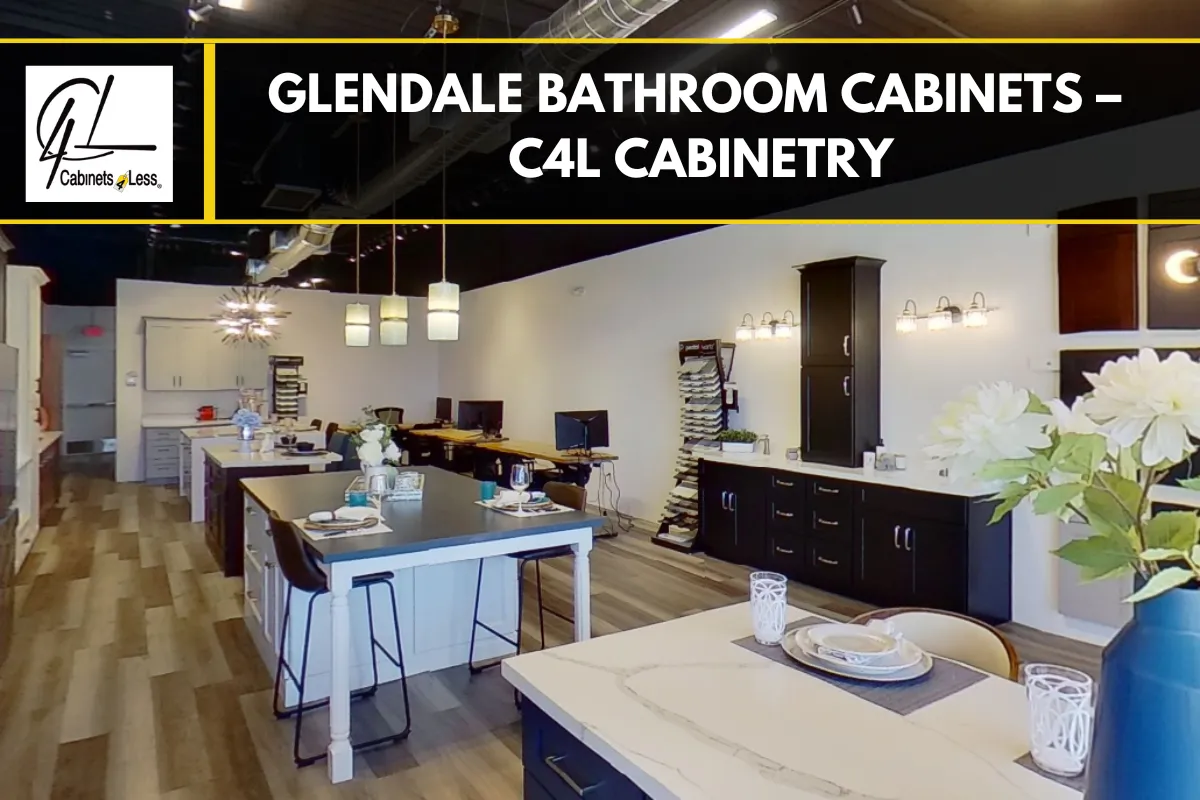
For high-quality bathroom cabinets in Glendale, AZ, choose C4L Cabinetry! Our team helps you find the perfect combination of materials, design, and layout to suit your style and storage needs.
We offer an extensive range of custom solutions, from custom-built cabinets to modern vanities and built-in cabinets, all at affordable prices—up to 70% off big box stores. For homeowners who qualify, we also offer convenient monthly payment options. Whether remodeling a main suite or updating a guest bath, we help you maximize style and space. Call us at (623) 335-3558 to schedule your free design consultation today!
Frequently Asked Questions (FAQs) About Bathroom Cabinet Materials and Design
What is the best material for bathroom vanities in humid environments?
In humid environments, the best material for bathroom vanities offers exceptional durability and resistance to moisture. Your top contenders are:
- Marine-grade plywood: Made from multiple layers of wood veneers and waterproof adhesives, it’s a practical choice with excellent structural integrity. It’s also more stable than standard wood products in areas with fluctuating humidity levels.
- PVC and acrylic: These are fully waterproof and ideal for busy bathrooms and areas exposed to direct water exposure and splashes.
- Solid wood with proper sealing: If you’re after natural grain patterns and classic beauty, real wood like oak or maple can be a solid wood vanity option—provided it’s sealed to resist Moisture Damage.
These materials for bathroom cabinets work well in modern bathrooms or traditional layouts and offer a smart balance between affordability and longevity. For high-traffic areas, durability and ease of regular maintenance are essential considerations.
How can I match my cabinet material to my bathroom design and color scheme?
Matching your cabinet material to your bathroom design and color scheme involves functional and aesthetic planning. Start by identifying your bathroom style—are you going for something modern, rustic, or timeless?
- For contemporary bathrooms, consider MDF cabinets or acrylic. These materials come in a wide selection of glossy finishes or matte surfaces and offer a sleek appearance perfect for minimal or bold color themes.
- Opt for solid wood bathroom vanities in natural wood tones for traditional or vintage designs. These offer a timeless appeal, with finishes highlighting natural grain patterns and bringing a high-end look to your space.
- For coastal or spa-inspired layouts, solid surface materials in white or beige blend beautifully with muted tones and offer a luxurious appearance.
By choosing from various colors, finishes, and wood for bathroom cabinets, you can achieve Personalized designs that reflect your design style while maintaining functionality and beauty.
Are particleboard vanities a good option for bathroom use?
Particleboard vanities are made from compressed wood particles and resin, offering a budget-friendly option for light-use bathrooms. While they are cost-effective, they are not the most durable material for long-term use in humid or high-traffic bathrooms.
Pros:
- The most affordable option available
- Lightweight and easy to install
- Suitable for powder rooms or guest baths
Cons:
- Low resistance to moisture
- Can swell or degrade when exposed to water stains or bathroom humidity
- It is not ideal for areas with direct water exposure
These vanities require minimal maintenance but won’t withstand Moisture Damage, marine-grade plywood, or solid wood. For homeowners looking for a balance of affordability and durability, consider using particleboard with more resistant materials or applying waterproof finishes. It’s a suitable choice only when exposure to water is minimal, and the budget is the primary concern.
What cabinet material offers the widest variety of styles and finishes?
If you’re looking for a wide variety of styles, colors, and finishes, MDF cabinets with laminate or thermofoil coatings offer the most flexibility. These cabinets support a range of finishes—from glossy finishes to textured wood-like patterns—and are often used in Personalized designs due to their adaptability.
Why MDF is a top contender:
- Allows a wide selection of color variations
- A smooth surface is perfect for painted or wrapped finishes
- Available in styles ranging from minimalist to traditional
Thermofoil-wrapped MDF also mimics the look of natural stone, wood products, or even high-gloss acrylics. This makes it a versatile choice for homeowners who want a custom look without the pricier options. Mix it with solid wood drawer faces or natural grain accents for a perfect bathroom cabinet design.
For those who want maximum freedom in their bathroom renovations, MDF provides the best platform for creativity and bathroom cabinet material options that suit every design aesthetic.
What is the most durable wood for bathroom cabinets?
When choosing a material for bathroom cabinets, especially if you’re committed to wood products, opt for hardwoods with a reputation for excellent durability and natural moisture resistance. Some of the best types of wood include:
- Oak: Strong and dense, known for its natural grain patterns and resistance to warping.
- Maple: Smooth and fine-grained, ideal for stained or painted finishes.
- Birch: A budget-friendly option with the look of high-end wood at a lower cost.
- Teak: Though a pricier option, teak contains natural oils that resist Moisture Damage, making it great for humid environments.
Always ensure proper sealing to protect against water damage and discoloration to increase longevity. When maintained well, a solid wood vanity becomes a timeless choice with unparalleled durability, perfect for both modern bathrooms and traditional spaces.
Pair hardwoods with solid surface materials on bathroom vanity top to maximize durability and visual appeal in high-traffic bathrooms.
What is the best low-maintenance material for bathroom vanity cabinets?
For homeowners seeking minimal maintenance and long-term reliability, the best material for bathroom vanity cabinets is acrylic or thermofoil-wrapped MDF. Both materials are designed to resist daily wear in high-traffic bathrooms, and they offer an attractive surface finish that retains its look with minimal effort.
Acrylic cabinets have a sleek appearance with a hard, non-porous surface that resists fingerprints, stains, and Moisture Damage. They’re available in various colors and deliver a high-end look similar to lacquered finishes but with less upkeep.
Thermofoil MDF cabinets are also a smart choice. These feature a vinyl wrap that seals out humidity and water, making them ideal for humid environments and bathroom humidity. They’re easy to clean—wipe with a damp cloth—and don’t require repainting or refinishing.
Both options provide a cost-effective, stylish option that balances affordability and durability—making them a perfect material for busy households or contemporary bathrooms.